Executive AnglerExecutive Angler
Flies

The fly fishing intelligence platform. Journal every session, build fly recipes, and read river conditions before you tie on.

Download on theApp Store
Get it onGoogle PlaySoon

Product

  • Journal
  • Rivers
  • Flies
  • Gear Locker
  • Feed
  • Import & Export

Discover

  • Madison River
  • Montana
  • Fly Library
  • Green River
  • Belize
  • Destinations
  • Articles

Directory

  • Lodges
  • Guides
  • Fly Shops
  • Gear Catalog
  • Search

Company

  • About
  • Contact
  • For Guides

© 2026 Executive Angler

All systems operational
PrivacyTermsContactSitemap
Redfish fly fishing

Redfish

Sciaenops ocellatus

Species
HomeSpeciesRedfish

Overview

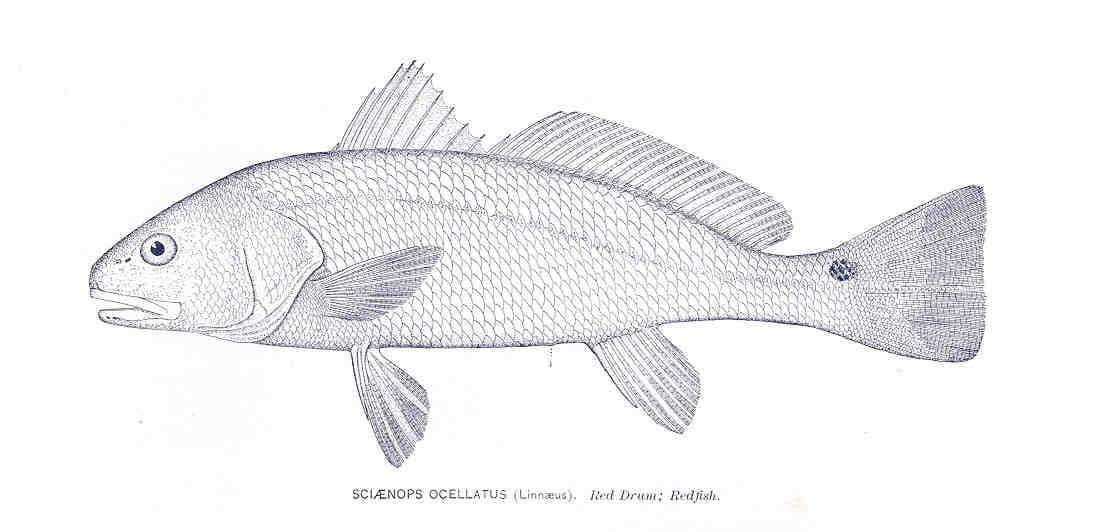
The redfish, also known as the red drum, is one of the most popular inshore saltwater game fish in the southeastern United States and Gulf Coast. Named for their copper-bronze coloring and the distinctive black spot or spots near the base of the tail, redfish inhabit shallow coastal waters from Massachusetts south through the Gulf of Mexico. They are powerful, tenacious fighters that make long, drag-pulling runs when hooked on a fly rod. Sight fishing for tailing redfish on shallow grass flats and oyster bars is a quintessentially southern saltwater experience that rivals bonefishing for visual excitement and technical challenge. Redfish are remarkably adaptable, tolerating a wide range of salinities from nearly fresh to full ocean water, and they can be found in coastal marshes, tidal creeks, oyster reefs, and sandy flats throughout their range. Their accessibility and willingness to take a well-presented fly make them an ideal entry point for anglers transitioning from freshwater to saltwater fly fishing.

saltwaterLeast Concern; populations recovered dramatically after strict harvest regulations were implemented in the 1980s following severe overfishing

Taxonomy

Order

Acanthuriformes

Family

Sciaenidae

Genus

Sciaenops

Species

S. ocellatus

Habitat & Behavior

Shallow coastal flats, oyster bars, tidal creeks, spartina grass marshes, mangrove shorelines, and inlet areas; highly tolerant of salinity variations from brackish to full saltwater

Native Range: Western Atlantic coast from Massachusetts south through the Gulf of Mexico to northern Mexico, with the highest concentrations along the Gulf states

Introduced Range: No significant introductions; some experimental stocking in Texas and other Gulf states to supplement natural populations

Diet

Crabs, shrimp, mullet, menhaden, pinfish, and other crustaceans and small fish found in coastal environments; uses downward-oriented mouth to feed on bottom-dwelling prey

Spawning

Redfish spawn in nearshore waters from August through November, congregating near passes, inlets, and barrier island beaches. Females release millions of eggs during evening hours, and larvae drift into estuaries and marshes where juveniles grow rapidly. Redfish can live for decades and grow to enormous sizes.

Spawning Months

Jan
Feb
Mar
Apr
May
Jun
Jul
Aug
Sep
Oct
Nov
Dec

Spawning Temperature: 70-80°F (water temperature)

Conservation Status

Least Concern; populations recovered dramatically after strict harvest regulations were implemented in the 1980s following severe overfishing

The Redfish is currently classified as Least Concern; populations recovered dramatically after strict harvest regulations were implemented in the 1980s following severe overfishing. Responsible catch-and-release practices help protect populations for future generations of anglers.

Fly Fishing Tips

Look for tailing redfish on shallow flats during falling tides when fish concentrate in remaining water. Cast slightly beyond and past the fish, then strip the fly into its path with short, sharp retrieves. Gold and copper-colored flies that match the marsh environment are consistently productive. Weedless patterns are essential in grass-heavy areas.

Tackle Recommendations

A 9-foot 8-weight rod is the standard redfish setup. Use a weight-forward floating line with a 9-foot leader and 15-20 lb fluorocarbon tippet to handle the abrasive oyster shell habitat.

Distribution Map

Recommended Fly Patterns

Clouser Minnow #1/0-4
Spoon Fly #2-6
EP Shrimp #2-6
Redfish Crack #2-4
Gurgler #1/0-4
Crab Pattern #2-4
Deceiver #1/0-4

Where to Find Redfish

Fly fishing in Florida Keys

Florida Keys

Tarpon, Permit, and Bonefish on the Flats

Southeast

Fly fishing in Bahamas

Bahamas

World Capital of Bonefish on the Fly

Caribbean

Rivers with Redfish

Florida Keys Flats fly fishing

Florida Keys Flats

saltwater flat

Bonefish · Permit · Tarpon

Frequently Asked Questions

Where do Redfish live?▾
Shallow coastal flats, oyster bars, tidal creeks, spartina grass marshes, mangrove shorelines, and inlet areas; highly tolerant of salinity variations from brackish to full saltwater
What do Redfish eat?▾
Crabs, shrimp, mullet, menhaden, pinfish, and other crustaceans and small fish found in coastal environments; uses downward-oriented mouth to feed on bottom-dwelling prey
How big do Redfish get?▾
Redfish average 18-30 inches, 3-12 lbs. The world record is 94 lbs 2 oz (Hatteras, North Carolina, 1984).
How do you fly fish for Redfish?▾
Look for tailing redfish on shallow flats during falling tides when fish concentrate in remaining water. Cast slightly beyond and past the fish, then strip the fly into its path with short, sharp retrieves. Gold and copper-colored flies that match the marsh environment are consistently productive. Weedless patterns are essential in grass-heavy areas.
What tackle do you need for Redfish?▾
A 9-foot 8-weight rod is the standard redfish setup. Use a weight-forward floating line with a 9-foot leader and 15-20 lb fluorocarbon tippet to handle the abrasive oyster shell habitat.
When do Redfish spawn?▾
Redfish spawn in nearshore waters from August through November, congregating near passes, inlets, and barrier island beaches. Females release millions of eggs during evening hours, and larvae drift into estuaries and marshes where juveniles grow rapidly. Redfish can live for decades and grow to enormous sizes. Optimal spawning temperature: 70-80°F (water temperature).
What is the conservation status of Redfish?▾
Redfish are currently classified as Least Concern; populations recovered dramatically after strict harvest regulations were implemented in the 1980s following severe overfishing. Responsible catch-and-release practices help protect populations for future generations.
What water temperature do Redfish prefer?▾
Redfish thrive in water temperatures of 52-88°F (optimal 65-82°F).

Quick Facts

Scientific Name
Sciaenops ocellatus
Family
saltwater
Average Size
18-30 inches, 3-12 lbs
Record Size
94 lbs 2 oz (Hatteras, North Carolina, 1984)
Lifespan
35-60 years, with bull redfish in the 40+ pound range often exceeding 30 years of age
Water Temp Range
52-88°F (optimal 65-82°F)
Native Range
Western Atlantic coast from Massachusetts south through the Gulf of Mexico to northern Mexico, with the highest concentrations along the Gulf states
Conservation
Least Concern; populations recovered dramatically after strict harvest regulations were implemented in the 1980s following severe overfishing

Fun Facts

  • The distinctive black spot near the tail is believed to confuse predators by mimicking an eye, causing attacks toward the tail rather than the head
  • Redfish were at the center of a conservation crisis in the 1980s when the Cajun blackened redfish craze nearly decimated Gulf populations
  • Bull redfish over 40 inches can produce a drumming sound by vibrating muscles against their swim bladder, audible to anglers in quiet conditions
  • Juvenile redfish are called puppy drum and make excellent light-tackle targets on 6-weight fly rods in shallow marsh habitats

Where to Find

Florida Keys

Southeast

Bahamas

Caribbean

Size Reference

Average Size

18-30 inches, 3-12 lbs

World Record

94 lbs 2 oz (Hatteras, North Carolina, 1984)